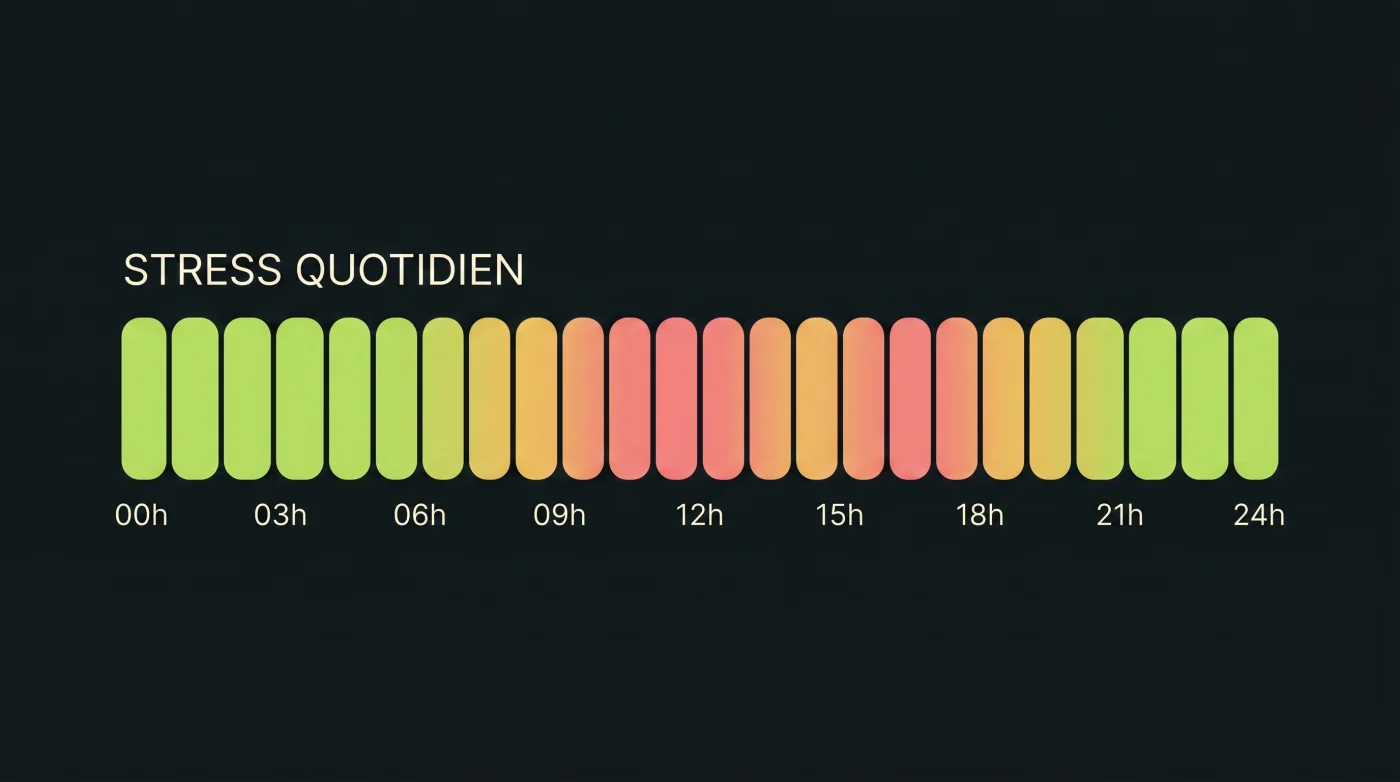
Mindfulness meditation means focusing your attention on the present moment, without judgment. Far from the cliché of an empty mind, it's a form of attention training with measurable effects on the body.
A direct effect on stress
Practised regularly, meditation activates the parasympathetic system, lowers heart rate, and increases heart rate variability, a sign of a better-balanced nervous system.
No need to spend hours on it
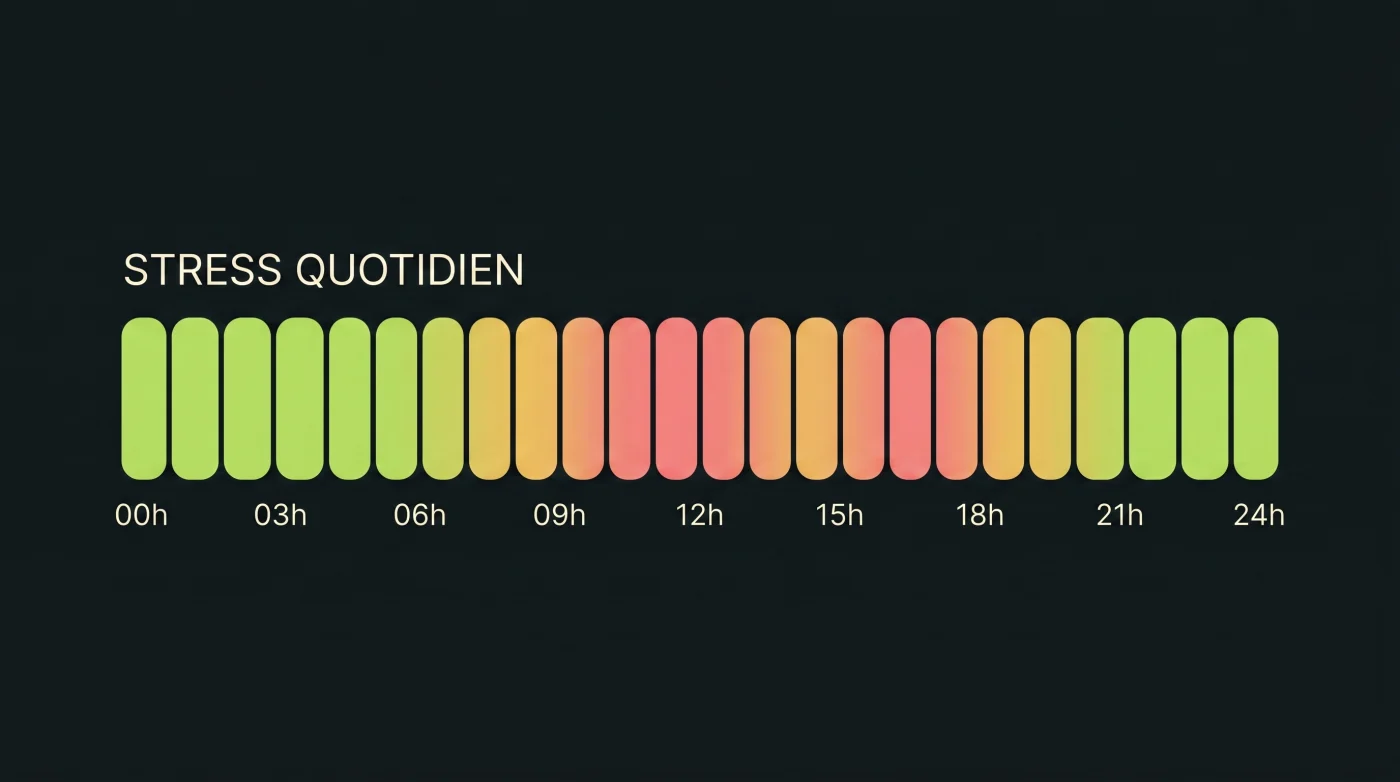
Five to ten minutes a day is enough to start feeling the effects. Consistency matters more than duration. If you're just starting out, the cardiac coherence is a simple, guided entry point.
Key takeaway: meditation trains your attention and calms your nervous system. Five minutes a day, consistently, beats an hour every now and then.
Making the invisible visible
The KEORA Ring measures your stress and your HRV, and shows you in concrete terms the effect of your practice. Seeing your progress is one of the best motivations to keep going long-term.
Meditating isn't about escaping the noise. It's about learning not to drown in it.