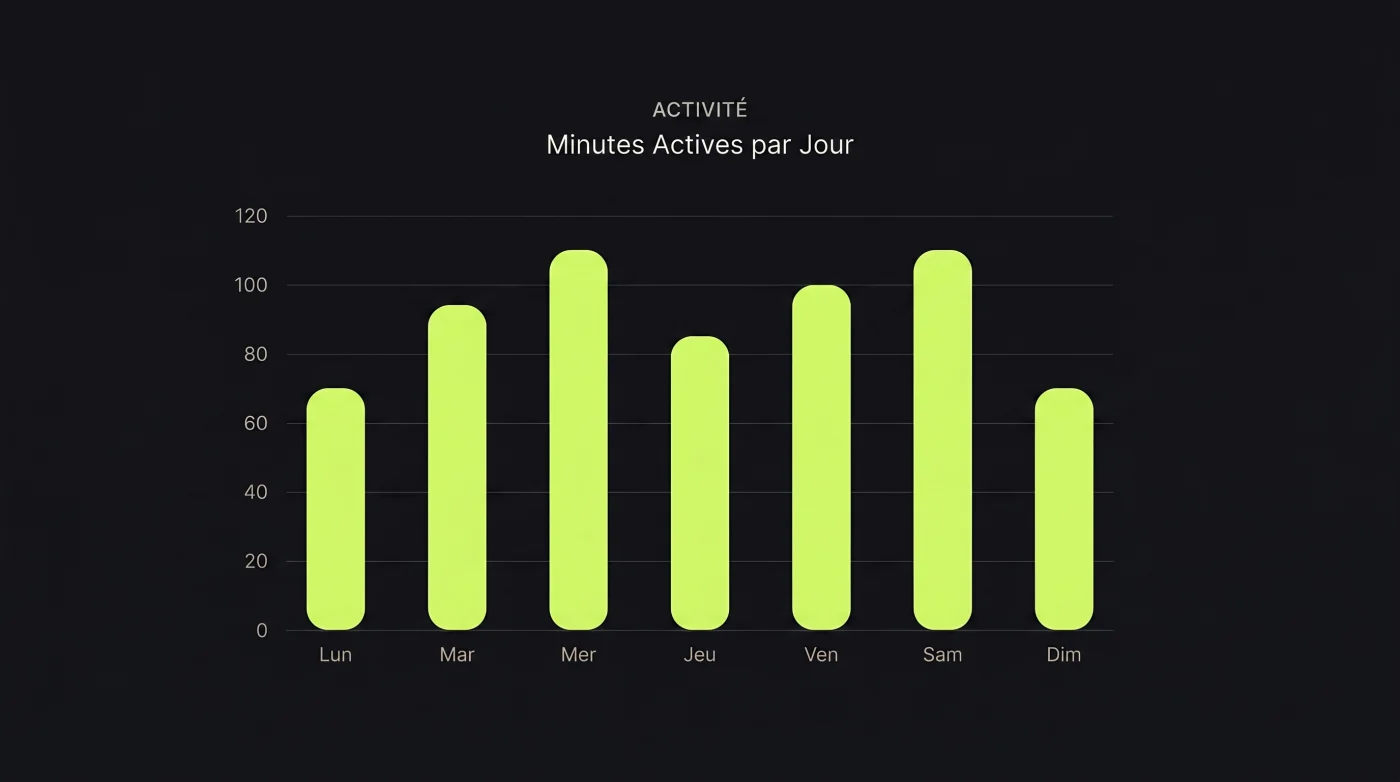
The 10,000-steps goal was born in Japan in the 1960s from an advertising slogan for a pedometer. A catchy number, but not science-backed. Recent research paints a more nuanced and actually more encouraging picture.
What science says
Health benefits start at just a few thousand steps a day and build up gradually. For most adults, the biggest gains in mortality risk show up between 7,000 and 9,000 steps, then level off. In other words, you don't need to hit 10,000 to get real results.
Consistency before performance
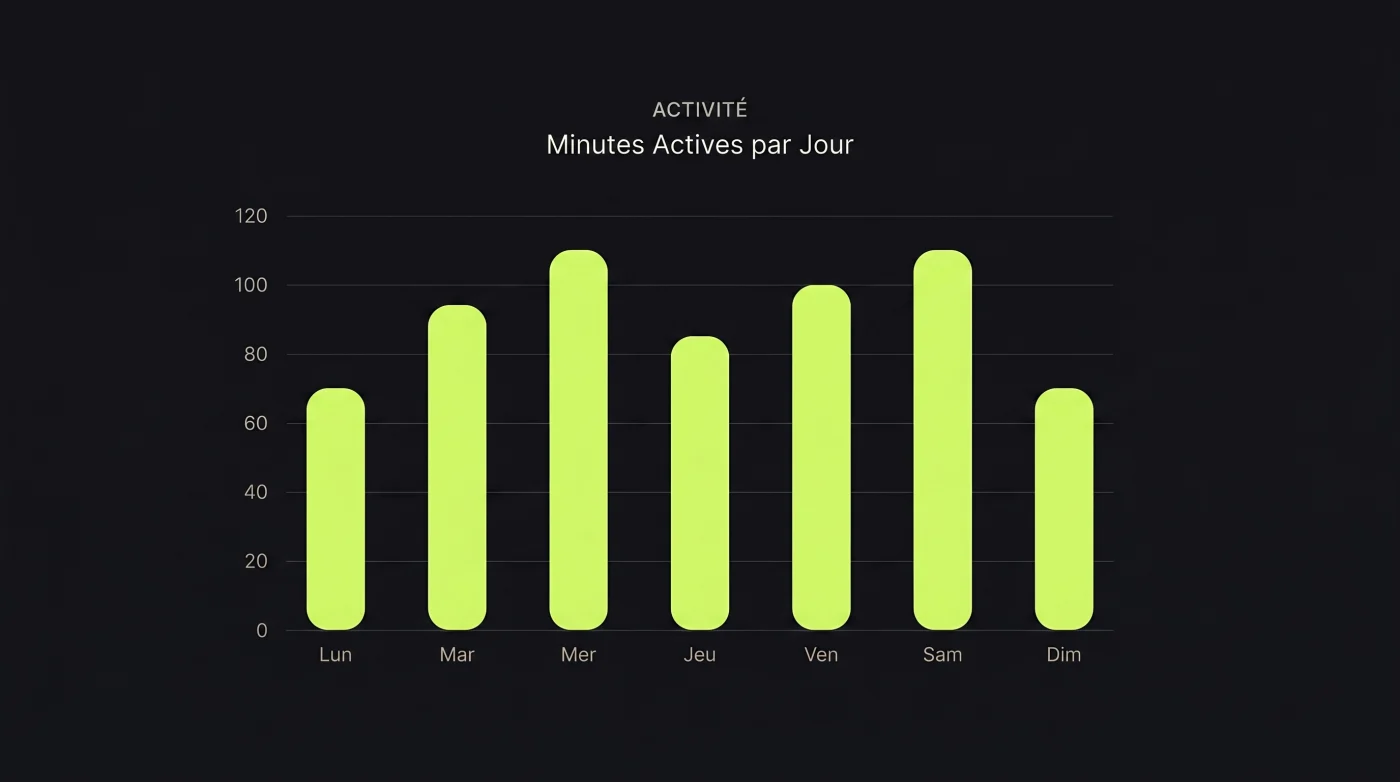
It's better to walk a little every day than to squeeze in one big session on Sunday and do nothing the rest of the week. Break it up, take the stairs, walk while you're on the phone — it all adds up. Regular activity is one of the pillars of longevity.
Measure to stay motivated
The KEORA Ring tracks your steps and active minutes, and puts them in the context of your trend. Watching your consistency improve is one of the best motivators for sticking with it long-term.
The best sport is the one you do every day, even just a little.