Throughout the day, your body temperature follows a rhythm. It peaks in the late afternoon, then drops in the evening, triggering sleepiness. During the night it stays low, then rises again in the early morning to prepare you for waking up.
Why cold promotes better sleep
A drop in core temperature is a powerful sleep-onset signal. That's why a cool room (around 18 °C), a warm shower in the evening, or warm hands and feet (which help the body release heat) all make it easier to fall asleep.
Temperature as a health signal
An unusual rise in your nighttime temperature can signal the onset of an infection, a night of heavy drinking, or, for women, a phase of the cycle. Tracked over time, it becomes a very useful early indicator.
Temperature and menstrual cycle
After ovulation, basal temperature rises slightly and stays elevated until your period. This thermal shift is what confirms ovulation after the fact, a reliable marker for better understanding your cycle.
Measuring your temperature with KEORA
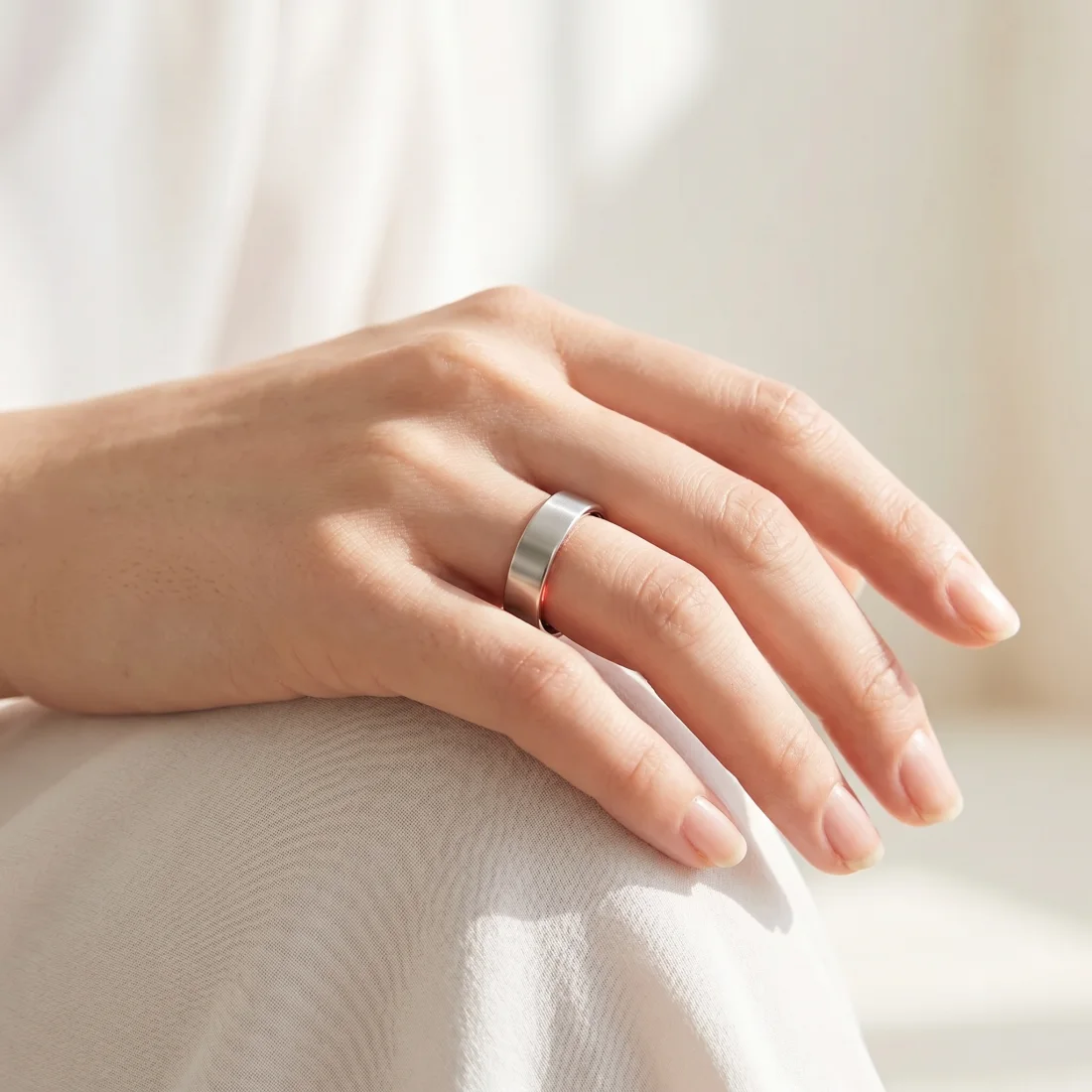
The KEORA Ring measures your skin temperature every night and tracks variations from your baseline. Combined with sleep and heart rate variability, it alerts you early when something changes.
Your temperature tells a story you can't feel. Measuring it means reading it.